A fencing is just one of those home tasks you notice daily, not simply when it's new. It's the line that shapes your yard's privacy, your curb appeal, and also just how secure it feels when children or pet dogs are outdoors. The tricky part is that "fence" is one word, however timber, plastic, and steel behave like three various materials with different failing settings, different installment details, and different tolerances for mistakes.
If you're searching for the best fencing contractors or the most effective fencing company in your location, you're truly hunting for something more specific: installers who understand how their picked material expands, agreements, rots, warps, rusts, and locks itself right into place with time. The best fencing installers don't simply measure and set articles, they handle the uninteresting information that make a decision whether a fence looks excellent in year one and still stands up in year seven.
Below is a real-world guide to choosing installers for timber, vinyl, and metal fencings, plus what to search for prior to job starts and just how to evaluate the plan you're being offered.
The part lots of people ignore: the ground and the posts
You can purchase good boards, good panels, and excellent equipment. If the blog posts are wrong, the fence will at some point sag, lean, or reveal irregular gaps. Every fencing kind starts with the same truth: soil conditions differ, water travels downhill, frost can lift weak footing, and tree origins can move the ground long after the "momentary" grading appears settled.
Great installers take note of points that don't appear in advertising and marketing photos:
- how they find home lines and any easements whether they make up existing landscaping drains pipes or buried utilities whether they brace a fencing while concrete treatments or backfill settles how they take care of fencing edges and finish posts, which take the greatest stress
Even with steel or plastic, the framing and the blog post system are what keep the fence directly. With timber, articles and rails also decide whether the boards will remain lined up and whether bolts will remain tight.
When an installer walks your site, the very best indication is that they ask inquiries and explain risks prior to you do. If they do not mention water drainage or article deepness when, it's worth asking directly.
How to display installers prior to you work with them
You can learn a whole lot from the initial website go to and the quote process. An expert team needs to have the ability to explain their approach without appearing scripted. They ought to likewise want to talk about what occurs if conditions transform, like when they uncover unforeseen soil, find balanced out ground as a result of old landscaping, or strike a path that needs relocating a gate location.
Here are practical factors that divide "can develop a fencing" from "best fencing installers":
Ask for specifics, not just a price
A fence quote that just details total price is difficult to assess. You want quality on what's included. As an example, does the quote cover excavation and concrete, or is it just material and labor? Are they eliminating old fencing sections, transporting debris, or reinstating groundcover? Are gate articles strengthened differently than line blog posts? Are they preparing for wind loads in a manner that impacts rail spacing and hardware selection?
Watch just how they discuss layout
Fence design is where homeowners often feel the most tension, since once the line is staked, it's tough to pretend you gauged "close sufficient." Excellent installers generally bet edges, validate with you, and demonstrate how gates will swing without striking cars, hedges, or unequal ground. They likewise prepare for how the fence will step across slopes, as opposed to compeling every panel to run level and create a visible ripple.
Evaluate handiwork signals
Even prior to the first board goes up, search for small behaviors:
- do they shield existing plants or treat your yard like a demolition site do they clean as they go, or leave a messy trench line that dries into a hazard do they confirm spacing and placement instead of rushing to "get it up"
If the installer can't define exactly how they maintain straight lines, level rails, and constant spacing, that's a red flag.
Include the local realities in your decision
Every area has various climate stress and different dirt types. Some areas see greater frost heave. Others take care of more relentless wetness near downspouts. The very best fencing company approach is to adapt details to your lawn, not recycle a template they've used on every job.
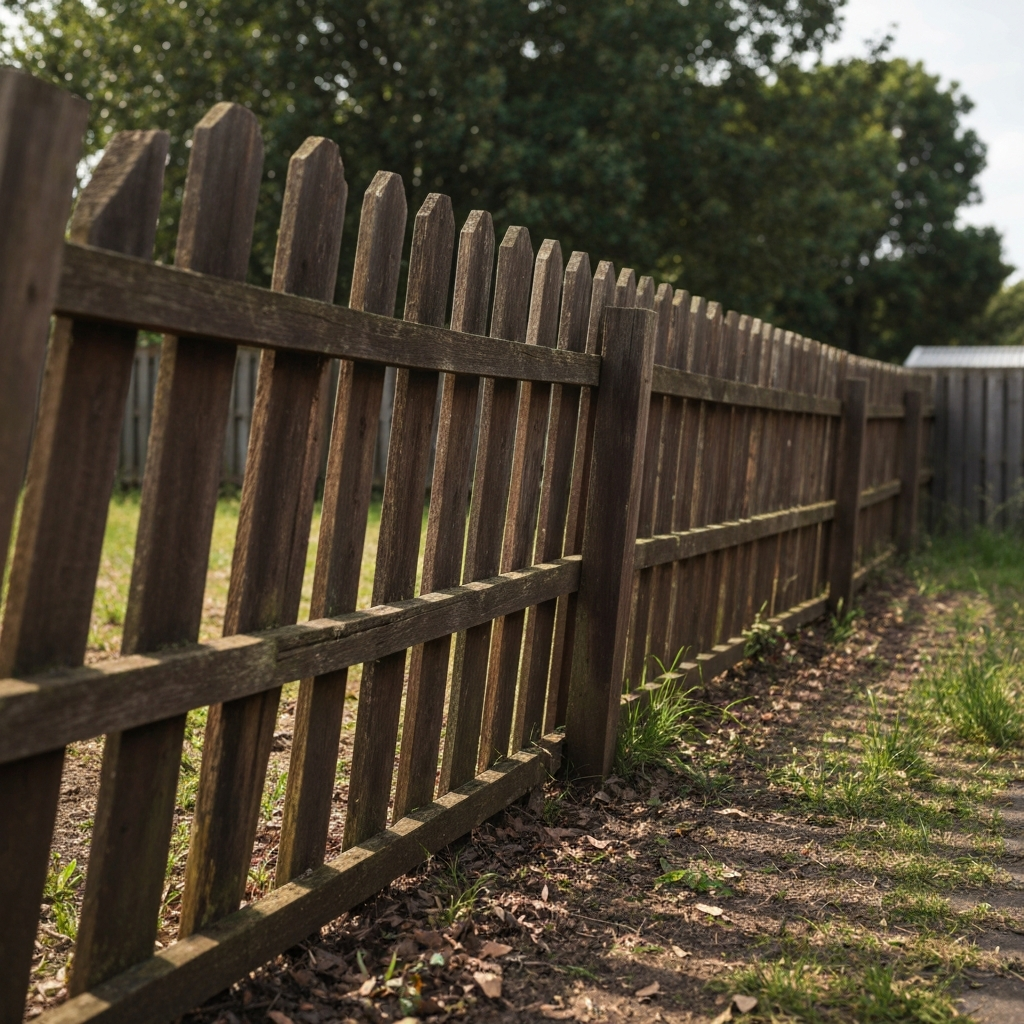
Wood fencings: where the installment quality appears fastest
Wood fencings are usually the front runner for a "all-natural" appearance and for house owners who intend to freshen boards later on. They can additionally be one of the most unrelenting if installation information are careless, because water administration and bolt selections matter.
What triggers early timber fence failure
In my experience, the failings aren't usually significant initially. They're little, then they grow:
- boards loosen up and droop a little, then even more boards follow rails warp slightly and create irregular shadows staining or securing was avoided or hurried, and joints soak up moisture bottom borders catch water where mud sits too high
A good timber fence install is as much concerning airflow and water control as it is about nailing. Messages must be established so they don't stay immersed or regularly damp. Rails must be mounted in a manner that maintains the board line constant. And the team must comprehend exactly how to maintain the fencing from "wading" into low spots.
Post setup and the wood's relationship to moisture
Even without certain product brands, the core idea is easy: the bottom of timber requires security and the article system requires to drain. Installers ought to discuss exactly how they're handling article depth, ground, and backfill. If they speak about concrete and stability but avoid exactly how they stop persistent wetness around the blog post base, that's worth probing.
Another information that makes a difference is just how they treat reduced ends or pierced openings. Timber is dehydrated at the sides. A careful crew seals or protects those locations according to the system they're using.
Spacing and wind performance
Wood fencings frequently use pickets or boards with spacing. Tighter spacing looks fuller, however it can raise wind lots depending upon elevation and instructions. A professional installer will certainly straighten your aesthetic preference with the structural plan, such as rail spacing and message spacing. If a person guarantees a high, solid-looking wood fence without talking about wind and supporting, you must be cautious.
Paint, tarnish, and the expectation you need to set
Wood fences hardly ever look ideal permanently without upkeep. A high quality install does not remove maintenance, yet it reduces the speed of wear and tear. If an installer guarantees "no upkeep," be skeptical. Reasonably, plan for cleaning, inspection, and touch-ups. Fresh coverings often tend to carry out finest when the timber is ready correctly and when the fencing has time to dry before coating.
Wood fencings also benefit from constant board positioning. When boards are mounted with focus to straightness and spacing, you'll observe less "wave" patterns later, even if the fence ages.
Vinyl fences: resilient externally, picky under it
Vinyl is usually chosen because it does not rot and it generally wipes clean. That holds true, however vinyl isn't immune to issues. It simply has a tendency to fail in a different way than timber, and those differences are installation-dependent.
Vinyl's primary vulnerability: motion and thermal expansion
Vinyl expands and contracts with temperature level swings. A fencing that's set up as well tightly without permitting motion can bend, warp, or create voids. The best fencing installers plan for that, using the right hardware approach and leaving appropriate allocation where elements connect.
If you're listening to "we'll just secure whatever in solid," ask just how they take care of growth and exactly how they secure rails and pickets.
The post-and-rail system matters more than you think
Vinyl fences frequently use hollow rails and specific ports. The article setup is still essential, because if articles shift or resolve unevenly, the fencing won't stay lined up. Plastic can hide small surface area blemishes early on, which in some cases postpones observing a structural concern until voids get obvious.
A mindful team checks:
- post plumb (vertical placement) rail placement throughout numerous posts gate procedure, given that gateways carry one of the most mechanical stress
Bottom clearance and airflow
Like wood, vinyl fencings often rest as well reduced in damp locations. If the bottom edge is hidden in mud or constantly sprayed by lawn sprinklers, dust build-up and algae growth speed up, and joints take longer to completely dry. A specialist installer coordinates fencing height with your quality and lawn sprinkler layout.
Cleaning and stain expectations
Vinyl can tarnish from dust, algae, and specific mold conditions. The factor isn't that vinyl spots permanently. It's that plastic cleansing frequently takes effort if the fencing stays moist. Great installment options that improve drain and reduce direct dash aid the lasting appearance more than most people expect.
A note on shade matching and repairs
If you could increase the fencing later on, you'll want a plan for shade uniformity and replacement parts. Vinyl parts from different manufacturing runs can vary slightly. The best fencing company style is to document the system they set up, so repair services match later on without guesswork.
Metal fencings: strong, but unrelenting regarding deterioration control and alignment
Metal fences, whether light weight aluminum, steel, or wrought-style systems, bring a different set of top priorities. They can last a very long time, however installment information establish whether they maintain their finish and remain directly via years of weather.
The most common metal issue: layers and fasteners at stress and anxiety points
Metal fences are often safeguarded by powder layer or paint systems. Those finishes are long lasting, yet they can fall short at scratches, cut ends, and areas where steel parts scrub or trap dampness. The installer must take care of cut edges and hardware in a manner that doesn't produce bare areas that increase corrosion.
Also, bolts and link factors can come to be the weak spot. A durable steel fencing takes care of stress transfer, so rails and panels do not flex in a way that grinds the covering off.
Soil and post structure still matter
Even metal fencings require solid posts. If the ground shifts, metal won't "forgive" the means some flexible systems might. You'll see positioning concerns earlier, and gateways might quit running efficiently. Expert teams set messages with interest to footing and support throughout the treating or settling period, even if the fencing material itself seems "strong."
Leveling, straight lines, and visual standards
Metal fencings reveal disproportion much more plainly than timber. With wood, the fencing can hide little placement differences via all-natural board difference. With steel, panel spacing and straight top rails make tiny mistakes extra noticeable.
This is where installers gain count on. They ought to be comfortable explaining just how they keep a consistent line throughout slopes, exactly how they manage irregular ground, and how they line up sections at corners.
Gates and equipment longevity
Metal gateways frequently rely on joints and latches that carry duplicated stress. The installer's work impacts whether doors turn smoothly or bind. Ask just how they intend to enhance gate openings. Gate articles and their add-on methods ought to be more powerful or set up in a different way than line posts.
If you select a steel fence for safety, entrance integrity matters equally as much as total height.
Choosing between timber, plastic, and metal has to do with compromises, not ranking
Homeowners typically ask me to rank products like it's a contest. In technique, the "best" option depends on your priorities and your resistance for maintenance and aesthetic expectations.
Here's the trade-off map I normally see play out in real lawns:
- Wood looks warm and all-natural, yet it demands extra upkeep preparation and cautious moisture monitoring throughout installation. Vinyl offers a low-rot profile and a regular look, but it requires right allocation for motion and proper article alignment. Metal brings stamina and crisp lines, but installation has to secure surfaces at cut edges and obtain gates and alignment right.
The right installer aids you match your option to your residential property. A lawn with persistent color and sprinkler dash could push you far from specific wood arrangements unless the strategy includes a moisture-resistant strategy. A windy corner lot might need even more durable rail spacing and supporting, regardless of material.
Questions to ask during your estimate (and what good answers seem like)
If you desire a brief means to evaluate whether a quote belongs in the "best fencing contractors" conversation, make use of the inquiries below. The objective is to listen to how the installer assumes, not to require technical jargon.
- How will you take care of format, including line verification and changes if you locate unexpected obstacles? What is your blog post plan for corners, ends, and gates, and just how do you ensure posts stay plumb while footing sets? What details technique do you use to take care of water, drainage, and lower clearance for this site? For vinyl, exactly how do you make up thermal development during installation? For metal, exactly how do you shield cut edges and connection factors so coatings stay intact?
Good installers respond to with self-confidence, and they usually include a sentence or 2 regarding exactly how those information prevent usual troubles they have actually seen on various other jobs. Unclear actions or "don't bother with that" answers are typically not an excellent sign.
What a solid fencing installment strategy resembles in the real world
An expert mount hardly ever really feels flawlessly smooth, yet the process ought to still be controlled. You can evaluate expertise by just how they take care of the inescapable rubbing: weather condition modifications, excavating shocks, routine shifts, and last walk-through issues.
A careful crew commonly does greater than "construct a fence." They take care of the order of operations.
In timber and vinyl jobs, the sequence commonly consists of design, excavation, article setup, supporting, rail installment, panel or picket installation, and then finishing information like entrance adjustment and last spacing checks. For metal award winning fence company systems, it commonly consists of assembly precision, coating-safe handling, and mindful installation of hinges and latches.
Pay attention to whether the staff checks and rechecks alignment at the handoff minutes. As an example, after messages are set and the fence frame is assembled, they need to confirm that sections are still true prior to closing up the panels. That one time out can protect against weeks of rework later.
The hidden price you should prepare for: website prep
The ideal quotes make up website problems without pumping up whatever. If they estimate you as if every backyard is level, clean, and easy to dig, you could be in for surprises.
Common website prep variables consist of:
- existing fence elimination and hauling stump grinding or root exposure uneven grade, terracing, and incline transitions sprinkler lines or drainage systems that need relocation or careful avoidance gravel areas that call for stablizing so posts don't shift
A good installer can usually describe what they'll do if they hit a rough place or if dirt is abnormally loose. This matters since a message that's "fine for now" frequently becomes a leaning issue after freeze-thaw cycles or wet seasons.
Yard-specific information that influence every material
Even if you pick the appropriate material and employ qualified installers, your fence has to endure its environment. That suggests thinking beyond the fencing line.
Consider these realities throughout planning:
- Tree roots near fence posts, especially if the fence rests close to grow landscaping Drainage courses, like how water moves after a heavy rain Wind exposure, particularly at corners or open lots Pet actions, like whether an animal will certainly dig under or lean right into a gate How you utilize the space, like whether doors open into the fencing line or call for a broader entrance clearance
A fence that's structurally audio however inadequately placed for your everyday regimen can still seem like a failure, also if it's not physically broken.
How to judge the result without obtaining extremely picky
Most property owners desire a fence that looks right, constant, and "ended up." Those are the best criteria, but you need to review in a functional way.
Stand at numerous angles and overlook the fence line. If the leading rail or picket line waves significantly, that's not an aesthetic quirk, it's alignment. Examine entrance procedure by opening up and closing it repeatedly. A gate that wanders out of placement, scratches, or calls for force will certainly come to be more irritating over time.
Also take a look at the spacing. On timber, some all-natural variant is normal. On vinyl and steel, you should anticipate more uniformity since the parts are produced. If the fencing looks irregular in a manner that suggests irregular installment spacing, you'll likely see even more issues later.
The most trusted indicator of good handiwork is that the fencing really feels steady when you gently press sections with your hand. A fence that flexes freely or moves when touched typically suggests framework or article assistance problems.
Maintenance assumptions by material (so you're not shocked later)
Even if you employ the best fencing installers, upkeep becomes part of ownership. The trick is understanding what type of maintenance you'll really do, and how often.
Wood generally requires routine assessment and re-coating. Plastic is usually much easier to keep tidy, but it still takes advantage of regular cleaning and attending to algae or dirt build-up. Steel often tends to be lower effort, yet scratches and cut-edge damages need to be enjoyed, due to the fact that small issues can expand if deterioration obtains a head start.
When an installer offers you an upkeep plan or at least points out the specific materials and elements they utilized, that's a sign of professionalism and reliability. A good fence contract ought to not just cover setup, it needs to aid you comprehend just how the fencing will certainly age.
Picking your "ideal" installer: the signal isn't buzz, it's consistency
It's tempting to employ the business with the fastest timetable or one of the most sleek sales discussion. I have actually seen just how that plays out. In some cases those choices work out well, yet the safer bet is to seek uniformity in how the installers believe, clarify, and follow through.
The best fencing contractors tend to have three characteristics:
They can link installation information to long-term outcomes. They treat your residential property like an actual work area, not just a jobsite. They leave the fencing line looking deliberate, not rushed.If you're contrasting bids, don't chase after the lowest number without checking what's included. The price difference typically shows concrete deepness choices, supporting methods, hardware top quality, entrance reinforcement, and exactly how thoroughly the team prepares for drainage and incline transitions.
If you're looking for the best fencing company for wood, plastic, or steel fencings, use your website visit as the filter. Ask sufficient concerns that you can feel just how they take care of unpredictability. If they have actually obtained good judgment when things aren't optimal, that's the strongest predictor that the ended up fencing will certainly stand up when climate, time, and small yard modifications certainly reveal up.
A functional following action prior to you schedule
Before you commit, stroll your residential or commercial property with two goals: identify where water runs and determine where entrances and edges will go. Then call the installer back for a fast verification. You'll Look at more info learn more from a short follow-up discussion than from a complete day of reviewing proposals.
If the installer can wait their layout choices, discuss their blog post plan plainly, and talk through how your picked material will certainly behave on your lawn, you're likely in the appropriate lane. That's exactly how you wind up with a fencing that looks good, really feels solid, and does its task without ending up being a repeating project.